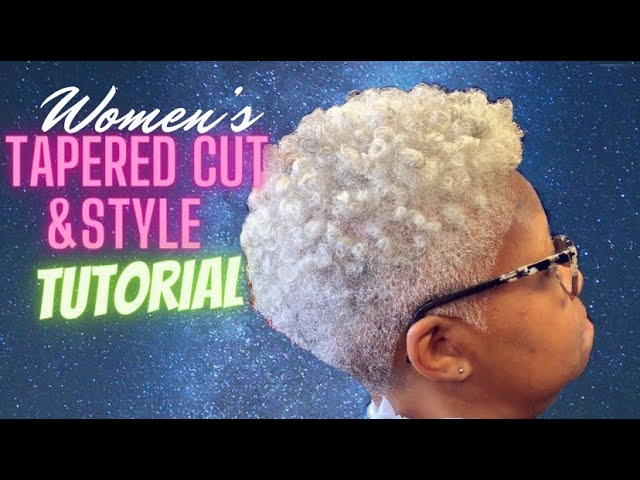
Tapered haircut, also known as "hair tapered in back", refers to a hairstyle where the hair is gradually cut shorter towards the back of the head. This technique creates a tapered effect, blending the longer hair on top with the shorter hair at the back for a stylish and modern look.
Tapered haircuts have gained popularity due to their versatility and ability to complement various face shapes. They offer a clean-cut and sophisticated appearance, highlighting the facial features and adding definition to the jawline. Historically, tapered haircuts have been associated with military personnel, but have since evolved into a popular style among individuals of all ages and backgrounds.
This article will delve deeper into the different types of tapered haircuts, their benefits, and how to achieve the perfect tapered look. We will also explore the latest trends and innovations within this popular hairstyle.
Hair Tapered in Back
When discussing hair tapered in back, several key aspects come into play, each contributing to the overall style and impact of the haircut.
- Length
- Angle
- Fade
- Texture
- Styling
The length of the hair at the back determines the overall shape and silhouette of the haircut. The angle of the taper, whether gradual or sharp, creates a distinct contrast between the longer hair on top and the shorter hair at the back. The fade, if present, adds a smooth transition from the tapered area to the skin. The texture of the hair, whether straight, wavy, or curly, influences the overall look and feel of the haircut. Finally, styling products and techniques can enhance the tapered effect and achieve the desired finish.
Length
Length plays a crucial role in determining the overall style and impact of hair tapered in back. It refers to the length of the hair at the back of the head, which can vary significantly, influencing the shape, silhouette, and overall look of the haircut.
- Short Length: A short taper involves cutting the hair at the back to a shorter length, typically between 1/4 inch and 1 inch. This creates a sharp contrast with the longer hair on top, resulting in a clean and defined look.
- Medium Length: A medium taper involves cutting the hair at the back to a medium length, usually between 1 inch and 2 inches. This provides a balance between the tapered area and the longer hair on top, creating a more subtle and versatile look.
- Long Length: A long taper involves cutting the hair at the back to a longer length, often between 2 inches and 3 inches or more. This results in a gradual transition from the tapered area to the longer hair on top, creating a softer and more blended look.
- Graduated Length: A graduated taper involves cutting the hair at the back in layers, with each layer being slightly shorter than the previous one. This creates a stepped effect, adding texture and movement to the haircut.
The length of the hair tapered in back can be tailored to suit individual preferences, face shapes, and hair types. It can be adjusted to create a variety of looks, from sharp and defined to subtle and blended. Understanding the different lengths and their effects allows barbers and stylists to customize the tapered haircut to complement each client's unique style and features.
Angle
Angle plays a vital role in shaping the overall look and feel of hair tapered in back. It refers to the angle at which the hair is cut, which can significantly impact the contrast, definition, and style of the haircut.
- Sharp Angle: A sharp angle creates a defined and dramatic contrast between the tapered area and the longer hair on top. This results in a clean and precise look, often preferred for short and medium tapers.
- Gradual Angle: A gradual angle involves cutting the hair at a more gradual angle, resulting in a softer and more blended transition from the tapered area to the longer hair on top. This is commonly used for longer tapers and can create a more versatile and subtle look.
- Asymmetrical Angle: An asymmetrical angle involves cutting the hair at different angles on different sides of the head. This can create a unique and edgy look, adding an element of interest and asymmetry to the haircut.
- Curved Angle: A curved angle involves cutting the hair in a curved shape, creating a more rounded and softer effect. This is often used to create a more natural and blended look, particularly for longer tapers.
The angle of the taper should be carefully considered to complement the client's face shape, hair texture, and personal style. By understanding the different angles and their effects, barbers and stylists can customize the tapered haircut to create a unique and flattering look for each individual.
Fade
Within the realm of "hair tapered in back", the incorporation of a fade technique elevates the haircut to new levels of style and sophistication. A fade involves gradually blending the tapered hair at the back into the skin, creating a seamless transition and adding depth and dimension to the overall look.
- Skin Fade: In a skin fade, the tapered hair is blended into the skin, resulting in a sharp and defined contrast. This creates a clean and modern look, often preferred for shorter tapers.
- Bald Fade: Similar to a skin fade, a bald fade involves blending the tapered hair into the skin, but it extends higher up the head, creating a bolder and more dramatic effect.
- High Fade: A high fade starts the blending process higher up on the head, leaving more length on top. This creates a more subtle and versatile look, suitable for longer tapers and various hair textures.
- Mid Fade: A mid fade starts the blending process at the mid-point of the head, creating a balance between a high fade and a low fade. This is a popular choice for medium-length tapers and can complement a wide range of face shapes.
The choice of fade depends on personal preference, hair texture, and face shape. By understanding the different types of fades and their effects, barbers and stylists can customize the tapered haircut to create a unique and flattering look for each individual.
Texture
Within the realm of "hair tapered in back", texture plays a pivotal role in enhancing the overall look and feel of the haircut. It encompasses the natural characteristics of the hair, influencing its appearance, styleability, and response to various styling techniques.
- Straight: Straight hair lacks natural bends or curls, resulting in a smooth and sleek appearance. When tapered, straight hair creates a clean and defined look, showcasing the angles and lines of the haircut.
- Wavy: Wavy hair exhibits a natural wave pattern, adding movement and volume to the hair. When tapered, wavy hair can create a textured and dynamic look, with waves blending seamlessly into the tapered area.
- Curly: Curly hair is characterized by tight coils and ringlets, adding depth and dimension to the hair. When tapered, curly hair can create a unique and voluminous look, with curls framing the face and adding a touch of personality.
- Coily: Coily hair is the tightest curl pattern, forming defined coils or zigzags. When tapered, coily hair creates a bold and textured look, with coils adding volume and enhancing the shape of the haircut.
Understanding the texture of the hair allows barbers and stylists to tailor the tapered haircut to complement each individual's unique hair type. By considering the natural characteristics of the hair, they can create a customized look that enhances the texture and maximizes the impact of the tapered style.
Styling
Styling plays a crucial role in enhancing the overall impact of "hair tapered in back". It encompasses the techniques and products used to shape, define, and enhance the haircut, allowing individuals to express their personal style and creativity.
Styling products such as pomades, gels, and waxes can be applied to the tapered area to create a variety of looks. For instance, a sleek and polished look can be achieved using a pomade, while a messy and textured style can be created with a wax. Additionally, blow-drying techniques can be employed to add volume and movement to the hair, further enhancing the tapered effect.
Understanding the relationship between styling and hair tapered in back allows individuals to maximize the potential of their haircut. By experimenting with different styling techniques and products, they can create a customized look that complements their personal style and face shape. Moreover, barbers and stylists can provide guidance on the most suitable styling methods for different hair types and textures, ensuring that each client achieves their desired look.
FAQ on Hair Tapered in Back
This FAQ section provides concise answers to commonly asked questions about hair tapered in back, addressing concerns and clarifying misconceptions. These questions delve into various aspects of the haircut, from its suitability to styling techniques.
Question 1: Is hair tapered in back suitable for all hair types?
Answer: Yes, hair tapered in back complements most hair types, including straight, wavy, curly, and coily hair. The barber or stylist can adjust the length, angle, fade, and styling to suit the specific hair texture and face shape.
Question 6: How can I style hair tapered in back at home?
Answer: Styling hair tapered in back at home is relatively easy. Apply a small amount of styling product, such as pomade or wax, to the tapered area and use a comb or brush to distribute it evenly. Experiment with different techniques to achieve your desired look, such as sleek and polished or messy and textured.
These FAQs provide a solid foundation for understanding hair tapered in back. For further insights and expert guidance, consult with a professional barber or stylist who can assess your hair type, face shape, and personal style to create a customized tapered haircut that meets your specific needs.
Now that we've covered the basics of hair tapered in back, let's delve deeper into the different variations and styling techniques to help you achieve the perfect look.
Tips to Style Hair Tapered in Back
To achieve the perfect look with hair tapered in back, consider these practical tips:
Tip 1: Determine Your Face Shape: Identifying your face shape helps you choose the most flattering length and angle for your tapered haircut. Consult a barber or stylist for guidance.
Tip 2: Choose the Right Fade: The fade creates a seamless transition from the tapered hair to the skin. Opt for a skin fade for a bold look, a bald fade for a dramatic effect, or a high or mid fade for a more subtle blend.
Tip 3: Consider Your Hair Texture: Straight hair showcases clean lines, wavy hair adds movement, and curly or coily hair creates volume. Choose a taper style that complements your natural texture.
Tip 4: Use Styling Products: Pomades, gels, and waxes help define and enhance the tapered area. Experiment with different products to achieve your desired hold and finish.
Tip 5: Try Blow-Drying Techniques: Blow-drying can add volume and shape to the tapered area. Use a round brush to smooth and direct the hair, or a diffuser to enhance curls and waves.
Tip 6: Maintain Your Tapered Haircut: Regular trims are essential to maintain the shape and style of your tapered haircut. Visit your barber or stylist every 2-3 weeks for touch-ups.
Following these tips will help you achieve a stylish and well-groomed hair tapered in back, enhancing your overall look and confidence.
As we conclude our exploration of hair tapered in back, remember that embracing this versatile haircut empowers you to express your personal style and create a look that complements your unique features.
Conclusion
Our exploration of hair tapered in back has unveiled its versatility, style, and adaptability to various hair types and face shapes. Key takeaways include:
- The length, angle, fade, texture, and styling of a tapered haircut can be customized to create a unique and flattering look.
- Understanding your face shape and hair texture helps in selecting the most suitable tapered style.
- Maintenance and regular trims are crucial to preserve the shape and style of a tapered haircut.
Embracing hair tapered in back empowers individuals to express their personal style and enhances their overall appearance. Whether seeking a sharp and defined look or a softer and blended style, the tapered haircut offers endless possibilities for self-expression and confidence.



No comments:
Post a Comment